
Introduction
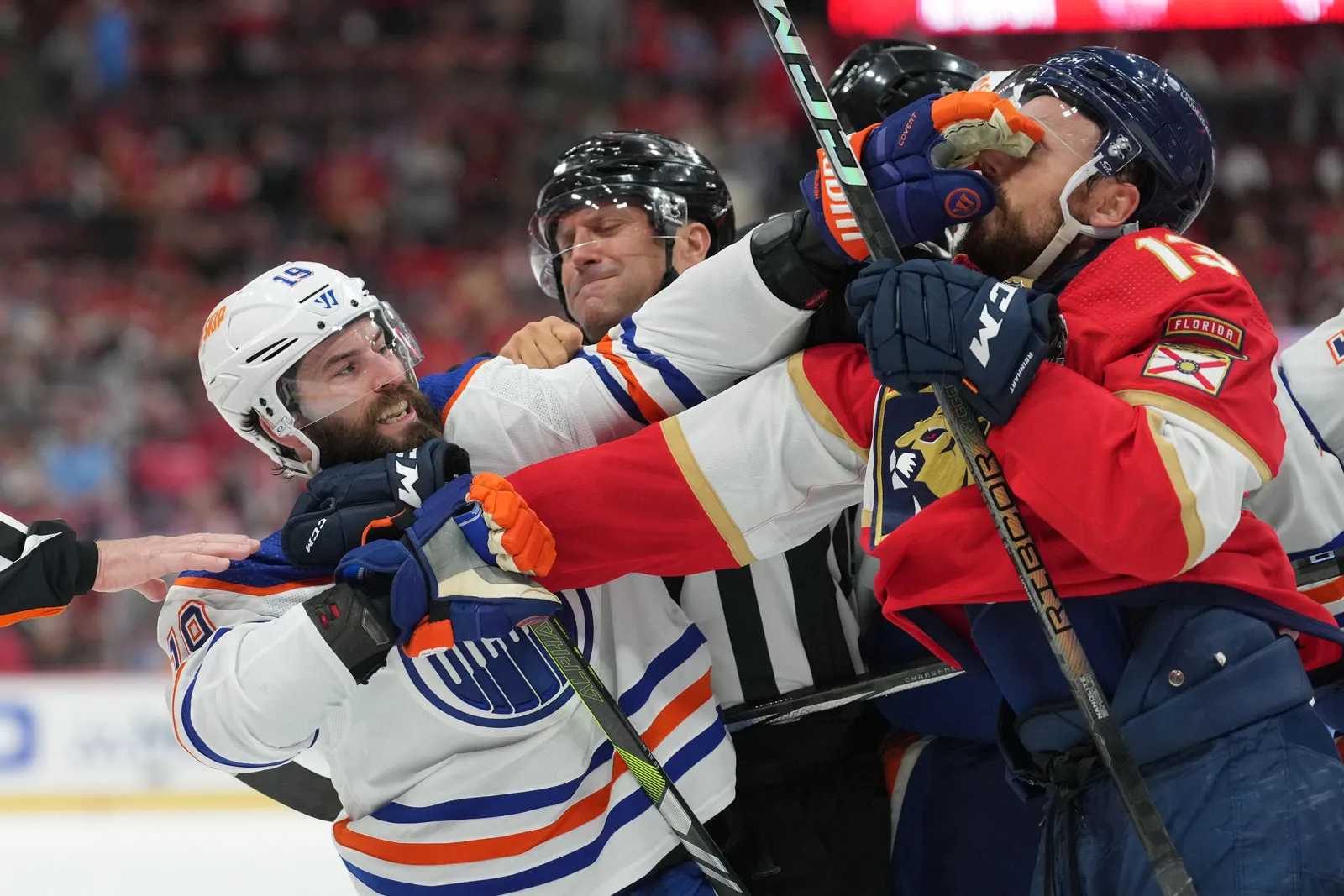
For new fans, the sight of gloves dropping and fists flying on ice can be shocking. Fighting in hockey is one of the sport’s most debated and iconic elements. It’s a tradition steeped in culture, governed by unwritten codes, and surrounded by intense controversy. This article delves into the reasons behind hockey fights, the strict rules that contain them, and the passionate arguments for and against their place in the modern game.
The Role and “Code” of Fighting
Fighting isn’t mindless brawling; it operates under a strict, unwritten “code” respected by players. Its primary role is often cited as self-policing. When a player delivers a dangerous, dirty hit or repeatedly targets a star teammate, enforcers may fight to deter further actions and deliver “frontier justice.” This code mandates that fights are generally between willing participants, they stop when a player falls, and they rarely involve stars who aren’t instigators. It’s a tool to regulate physical play and protect skill players, enforcing accountability where official penalties might not.
The Official Rules and Consequences
While tolerated within limits, fighting carries immediate and significant penalties. According to the NHL rulebook, players receive a five-minute major penalty for fighting. If a player instigates the fight, they can be given an additional two-minute minor. Those deemed to be the aggressor face a game misconduct, ejecting them from the match. Subsequent fights in a game or season lead to escalating fines and suspensions. These rules are designed to contain fighting, preventing full-scale line brawls and ensuring it remains a brief, controlled element rather than the game’s focus.
The Argument For: Why Supporters Say It Belongs
Proponents argue fighting is a crucial safety valve and strategic component. They believe it deters cheap shots and dangerous plays more effectively than penalties alone, as players know they may have to answer for their actions physically. This, they claim, actually makes the game safer for everyone. Furthermore, a well-timed fight can dramatically shift momentum, energize a team, and electrify the home crowd. From a traditionalist view, it’s an integral part of hockey’s tough, honest identity that shouldn’t be sanitized.
The Argument Against: The Case for Removal
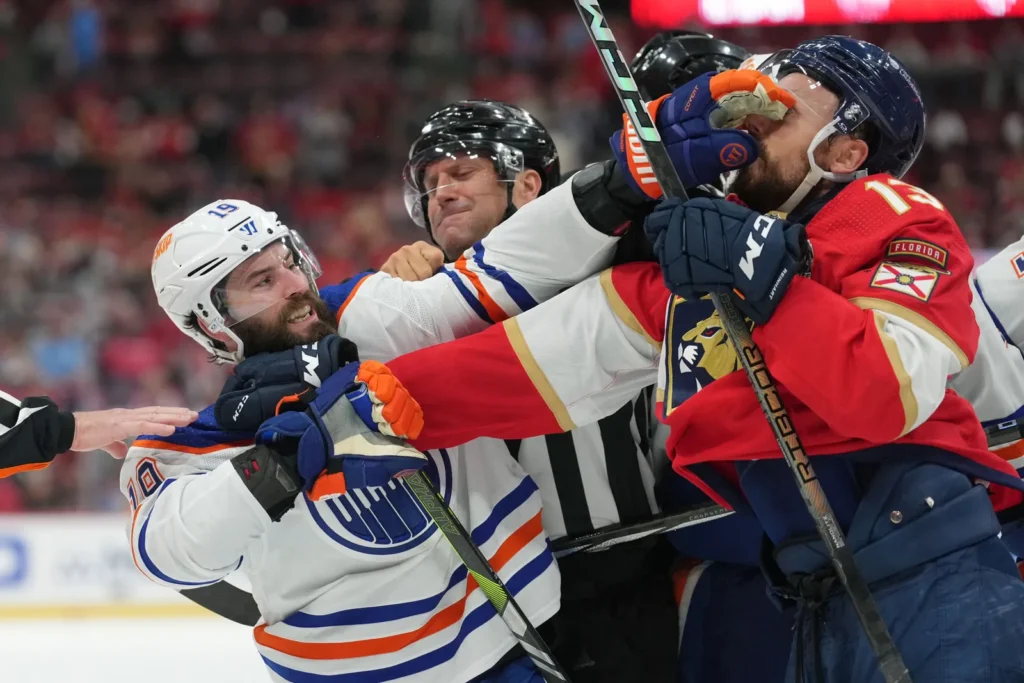
Critics contend that fighting has no place in a modern professional sport. The primary concern is player health, specifically the risk of concussions and chronic traumatic encephalopathy (CTE) from repeated bare-knuckle blows to the head. They argue that the sport’s image suffers, alienating potential new fans and sponsors who see it as gratuitous violence. The notion that it prevents other violence is challenged by data showing it may simply lead to more overall aggression. Opponents believe the game’s speed, skill, and hitting are compelling enough without staged fights.
The Future of Fighting in Hockey
The trend is clear: fighting is declining. In the 2022-23 NHL season, the fight rate was about one for every four games, a fraction of what it was two decades ago. The game is faster, emphasizing skill over pure brawn, and teams now prioritize versatile players over dedicated enforcers. While a complete ban is still hotly debated, the gradual decrease seems organic. Rule changes, greater awareness of head injuries, and evolving roster construction are naturally minimizing its occurrence without an outright prohibition.
FAQs About Fighting in Hockey
Why is fighting allowed in hockey but not other sports?
Hockey has historically viewed fighting as a self-regulating mechanism within a high-speed, high-contact sport. Its unique culture and tradition have allowed it to remain, though with increasing penalties, unlike in leagues like the NFL or NBA where it results in immediate ejection.
Do players get fined for fighting?
Yes. Players automatically lose their pay for time spent serving a fighting major penalty. The NHL also issues fines and suspensions for instigating, aggressor penalties, or accumulating multiple fights, with fines escalating for repeat offenders.
What is an “enforcer” or “goon”?
An enforcer, pejoratively called a “goon,” was a player whose primary role was to deter opponents with physical play and fighting. This specialized role has largely disappeared in today’s NHL, where players are expected to contribute offensively or defensively as well.
Can a team benefit strategically from a fight?
Absolutely. A fight can swing game momentum, rally a lethargic team, and energize the home crowd. It can also be used to respond to a big hit or questionable play, signaling that certain actions will not be tolerated for the rest of the game.
Conclusion
Fighting in hockey exists at the complex intersection of tradition, emotion, and evolving safety standards. It is a regulated, but polarizing, aspect of the game’s identity. While its frequency is undeniably waning, the deep cultural roots and arguments surrounding it ensure the debate will continue for years. Understanding the “code,” the rules, and the perspectives on both sides is essential for any fan looking to grasp the full complexity of this iconic sport. What’s your take on fighting’s place in hockey’s future? Share your thoughts with our community.